
Presentation of the OECD Economic Survey of Latvia 2026
What are the key opportunities and challenges shaping Latvia’s economy today? Hear directly from OECD economists as they present the latest findings and recommendations from the OECD Economic Survey of Latvia 2026 at SSE Riga. The event is open to the public, but registration is required.
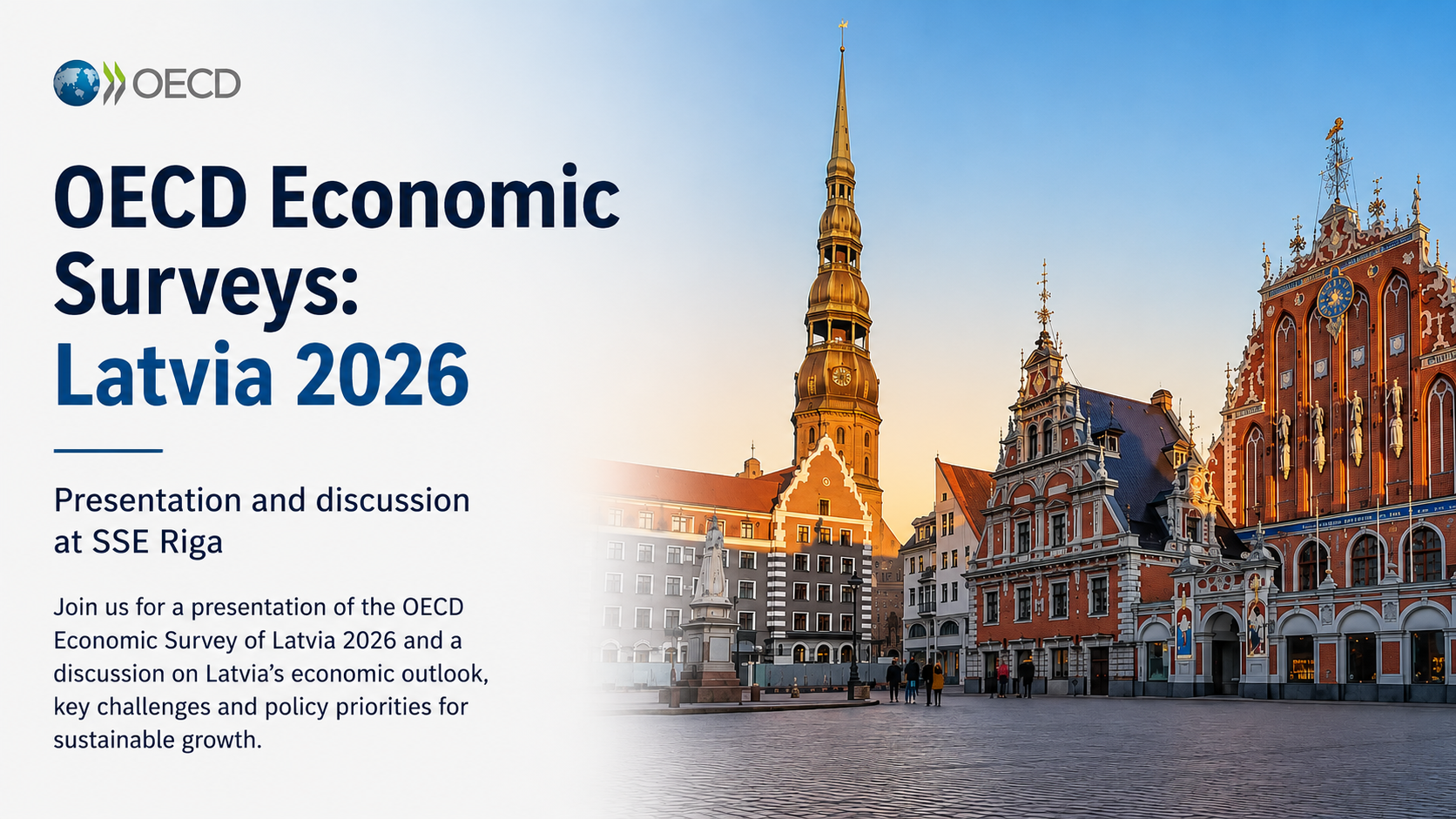
The Latvian economy has been resilient to recent shocks, but structural challenges remain. To finance high defence spending, improvements in health care and reductions in old-age poverty while containing the fiscal deficit, it is key to raise spending efficiency, reallocate spending and raise tax revenue, including by broadening the tax base and strengthening tax enforcement.
As labour taxes are high, the tax burden should be shifted towards other income, property and environmental taxes. Improving access to finance and supporting business dynamism by reducing the administrative burden, continuing to reduce informality and strengthening competition would raise productivity growth.
Reducing the administrative burden and raising spending efficiency will require further simplifying and digitalising administrative procedures and improving data sharing and policy impact evaluation across the public administration.
Accelerating the green transition will require strengthening carbon pricing and facilitating the expansion of renewable energy supply, while supporting vulnerable households and helping workers adapt to changing skill requirements.
To improve health outcomes, it is key to strengthen the financing and efficiency of the public health care system and promote healthier lifestyles.
Speakers
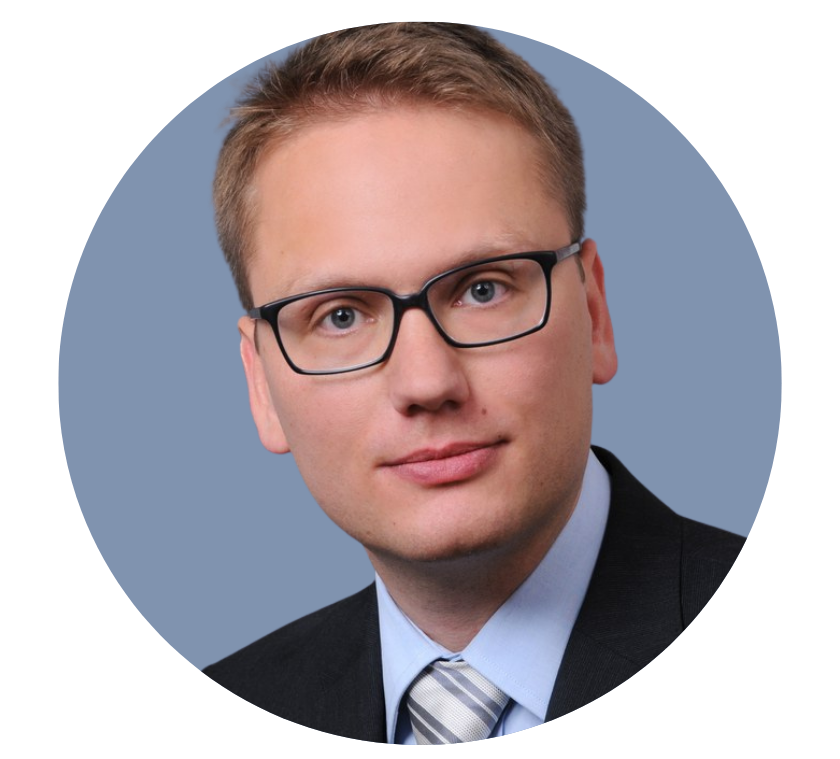
Robert Grundke is a Senior Economist at the Economics Department of the Organisation for Economic Co-operation and Development (OECD) and currently heads the Country Desk for Germany and Latvia. Previously, he has worked on the Country Desks for Argentina, Brazil, Mexico, Costa Rica, Tunisia, India and Indonesia.
Before joining the Economics Department, he worked in the Science, Technology and Innovation (STI) Directorate of the OECD, investigating how globalisation and digitalisation affect the demand for different types of skills. He holds a PhD in Economics from the University of Munich (LMU) and a Diploma in Sociology, Economics and History of Technology from the Technical University (TU) of Dresden. His empirical research has focused on international trade, development economics, skills and labour markets.
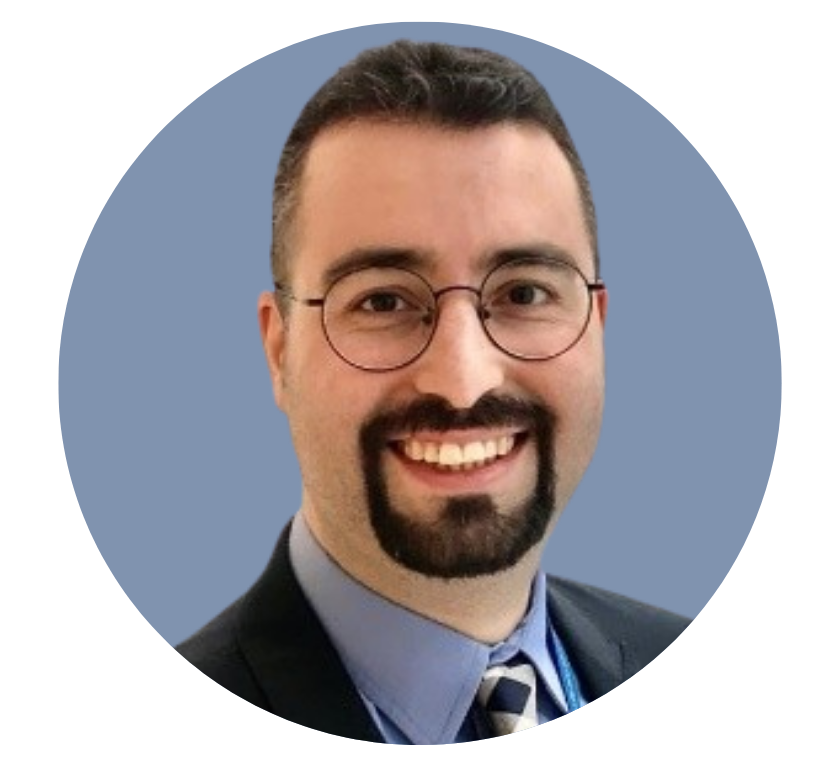
Enes Sunel is an Economist at the Country Desk for Germany and Latvia in the Economics Department of the Organisation for Economic Co-operation and Development (OECD). Previously, he worked in the Macroeconomic Policy and Research Division, contributing to the OECD Economic Outlook and the OECD Country Desks for the United States, Australia, Mexico and Costa Rica.
Before joining the Economics Department, he worked in the Research and Monetary Policy Department of the Central Bank of the Republic of Türkiye. Enes holds a PhD in Economics from the University of Maryland, College Park and a BA in Economics from Bilkent University, Ankara. His research focuses on international finance, monetary economics and financial economics.